
How Speech & Language Therapy Helps Children Find Their Voice
Every parent is thrilled when their child says their first words.
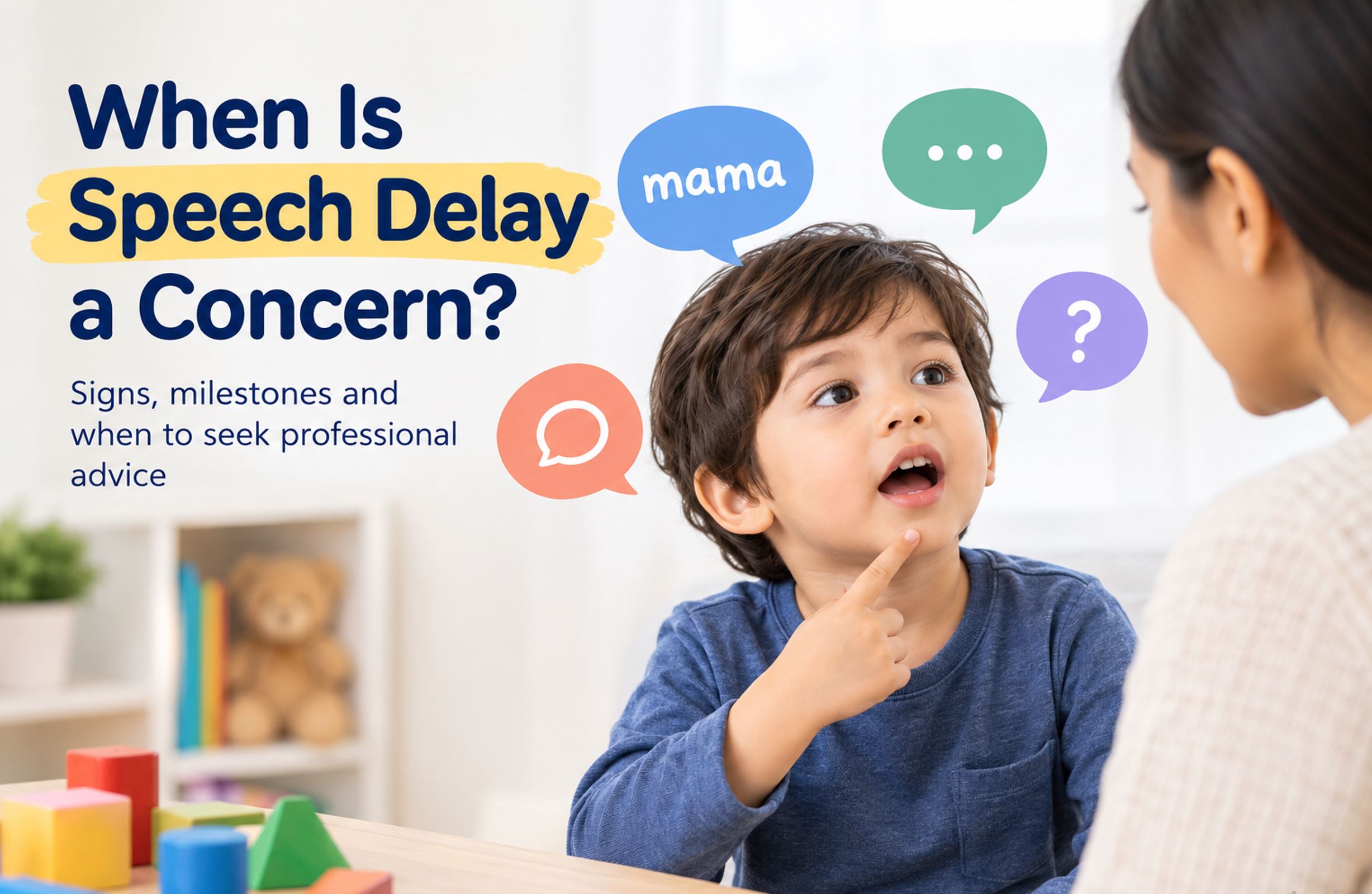
But communication is about much more than saying “mama,” “dada,” or trying to pronounce a difficult sound. It is about being able to tell someone what you want, understand what someone else is saying, join a conversation, ask for help, tell a joke, answer a question, make friends, and eventually express your own thoughts and personality.
Not all children develop these skills as easily as others.
This is where speech and language therapy can make a meaningful difference.
At IBP Remedial Services, speech and language therapy is about much more than exercises designed to improve pronunciation. It is part of a broader developmental process that helps children become more confident and effective communicators in their everyday lives.
The program can address areas such as:
- Speech delays
- Articulation difficulties
- Receptive language
- Expressive language
- Fluency
- Social communication
- Functional communication
- Other communication challenges
Communication Is More Than Just Speaking
One of the most important things parents can understand is that a child can have clear speech and still experience communication difficulties.
For example, a child may have a large vocabulary but struggle to combine words into meaningful sentences. Another child may speak clearly but have difficulty taking turns during conversations, understanding questions, recognizing social cues, or explaining what happened at school.
Some children understand much more than they are able to express.
Others may communicate primarily through gestures, sounds, pictures, or other forms of communication.
That is why an effective speech and language assessment looks beyond how a child says individual words.
The bigger questions are:
How well can the child understand, communicate, socialize, and engage with others?
When a Child Isn't Able to Tell You What They Need
Imagine being unable to tell someone that you are hungry, uncomfortable, frightened, excited, or frustrated.
For a young child, this can be extremely difficult.
Sometimes what appears to be a behavioral problem may actually be a communication difficulty. A child who cannot express what they want may cry, withdraw, become frustrated, or avoid an interaction because they do not yet have the communication skills they need.
Developing functional communication can therefore change much more than a child's speech.
It can improve the way they interact with:
- Parents
- Teachers
- Siblings
- Friends
- Other people in their everyday environment
Speech Therapy Needs to Be Personal
There is no single speech therapy program that works for every child.
Children develop at different rates, have different strengths, and respond to different approaches. An activity that keeps one child engaged may not work as well for another.
That is why assessment should come before choosing therapy activities and goals.
At IBP Remedial Services, the speech therapy approach begins with an understanding of each child's individual communication strengths and difficulties. Treatment strategies are then developed around specific goals, and progress is assessed over time.
The program also incorporates interactive and play-based activities that encourage children to communicate naturally, helping therapy feel engaging rather than like a classroom test.
This individualized approach is important because real progress is not always measured by how many sounds a child can produce during a therapy session.
Progress might look like:
- Asking for something independently
- Answering a question without prompting
- Playing with another child
- Joining a conversation
- Telling a parent about their day
- Asking for help when they need it
These moments may seem small, but they can have a big meaning in a child's everyday life.
Language and Learning: An Important Connection
Communication and learning are closely connected.
Children use language to understand instructions, ask questions, describe experiences, build relationships, and make sense of what they learn at school.
For example, a child with receptive language difficulties may struggle to understand instructions even when they appear to be listening. A child with expressive language difficulties may understand an idea but have difficulty explaining it to someone else.
These challenges can sometimes affect academic progress and participation in the classroom.
Speech and language therapy can work on areas such as:
- Vocabulary development
- Sentence formation
- Language comprehension
- Following instructions
- Storytelling
- Conversational skills
- Functional communication
The goal is not simply to get a child to “speak more.”
The goal is to help them understand more, express more, and participate more.
Social Communication Is Important Too
Communication is about connecting with other people.
A child needs more than words to communicate successfully in social situations. They may need to develop skills such as listening, taking turns, responding appropriately, understanding facial expressions, interpreting gestures, and maintaining conversations.
For children who struggle with social interaction, therapy can provide structured opportunities to practice these skills in a supportive environment.
IBP's Speech and Language Therapy program includes work on social communication, functional communication skills, group therapy opportunities, and activities that encourage children to use their communication skills beyond the therapy room.
This is particularly important because the real measure of therapy is not only what happens inside a clinic.
It is what happens afterward in everyday life.
Parents and Caregivers Are Part of the Process
A child spends much more time with their family than with a therapist.
That is why parents and caregivers play an important role in supporting communication development.
Small changes in the way adults communicate with a child can create more opportunities for language development throughout the day.
Parents and caregivers can support therapy goals by:
- Giving the child time to respond
- Providing opportunities for the child to express themselves
- Expanding on what the child says
- Asking appropriate questions
- Encouraging communication during everyday routines
- Practicing relevant skills at home
Caregiver collaboration is an important part of the IBP approach. Families can learn about their child's therapy goals and understand how to support appropriate communication skills at home.
This collaboration can make therapy more consistent and, most importantly, more relevant to the child's real life.
Speech Therapy Is Not About Changing a Child
Every child has their own personality, strengths, interests, and unique way of experiencing the world.
Speech and language therapy should not be about making every child communicate in exactly the same way.
Instead, it should be about giving each child the tools they need to become as effective and independent a communicator as possible.
For some children, that may mean improving speech clarity.
For others, it may involve developing:
- Language comprehension
- Vocabulary
- Fluency
- Social communication
- Functional communication
- Augmentative and Alternative Communication (AAC)
The approach should be child-centered, supporting the child's individual needs rather than forcing communication into a fixed model.
When Should Parents Seek Professional Help?
Parents do not need to wait until a communication difficulty becomes severe before seeking professional guidance.
If you are concerned about your child's:
- Speech
- Understanding
- Vocabulary
- Fluency
- Social communication
- Ability to express their needs
a professional assessment can help you better understand what is happening.
An assessment does not mean that “something is wrong” with your child.
It is simply a way to understand their current communication skills and determine whether additional support could be helpful.
Early guidance can also give parents practical direction instead of leaving them wondering whether they should wait or seek help.
Helping Every Child Find Their Voice
The most important outcome of speech and language therapy may not be perfect pronunciation or a longer sentence.
It could be a child who raises their hand in class.
A child who joins a conversation.
A child who tells their parents about their day.
A child who can finally say, “Help me!”
These may be little sentences, but they can carry enormous meaning.
At IBP Remedial Services in Karachi, Speech and Language Therapy focuses on the bigger picture: helping children develop communication skills that support learning, relationships, confidence, and greater independence.
Through personalized therapy, professional assessment, family participation, and a supportive environment, children can have greater opportunities to be heard and actively participate in the world around them.
Because sometimes, helping a child find their voice is about more than teaching them to speak.
It is about helping them be heard.