
Learning Difficulty vs Learning Disability: What's the Difference?
When a child struggles with reading, writing, mathematics, memory or classroom tasks, parents may hear the terms learning difficulty and learning disability. Although these terms are sometimes used interchangeably, they do not always mean the same thing. Understanding the difference can help parents recognize what their child needs and seek appropriate support without making assumptions.
What Is a Learning Difficulty?
A learning difficulty is a broad term used when a child experiences problems with a particular area of learning. These difficulties may be temporary, may have different causes, or may improve when a child receives appropriate teaching, practice and individual support.
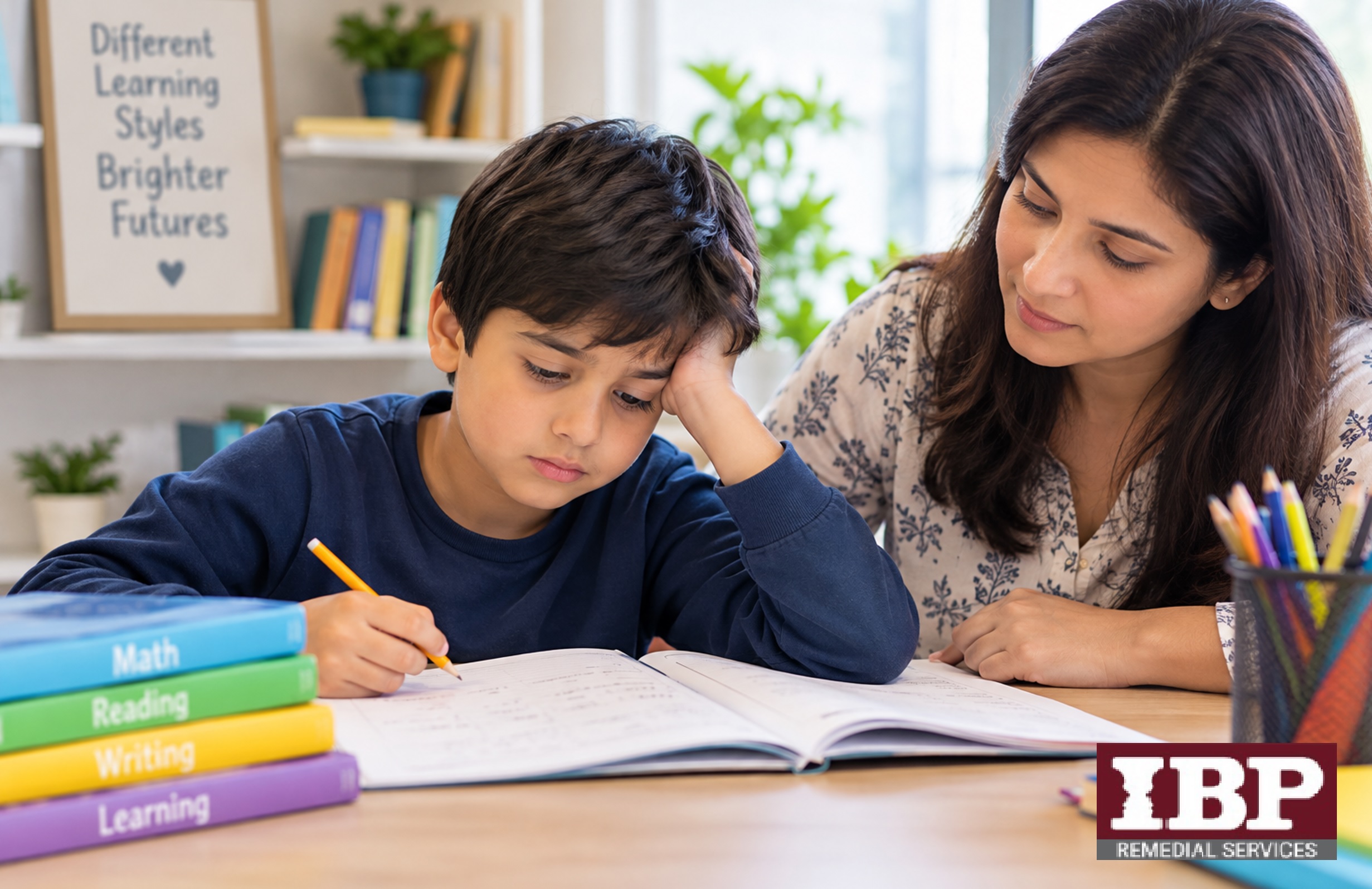
For example, a child may struggle with mathematics because important concepts were missed, the teaching method was difficult to understand, or the child needs more practice. Another child may find reading difficult because of challenges with phonics, vocabulary, comprehension or previous learning experiences.
Learning difficulties may also be associated with attention, language development, emotional concerns or the way a child processes information. Struggling with a subject does not automatically mean that a child has a learning disability.
What Is a Learning Disability?
A learning disability is a more specific and persistent difficulty that affects how a person learns or uses particular academic skills. It can affect areas such as reading, written expression or mathematics, even when a child has had appropriate opportunities to learn.
Specific learning disabilities are often discussed in relation to conditions such as dyslexia, dysgraphia and dyscalculia. For example, a child with dyslexia may have persistent difficulties with accurate or fluent word reading and spelling. A child with dyscalculia may experience ongoing difficulty understanding numbers, calculations or mathematical relationships.
A learning disability does not mean that a child is unintelligent or unwilling to learn. Children with learning disabilities can have many strengths and can make meaningful progress when their educational needs are properly understood and supported.
Parents looking for reliable information about dyslexia can also explore the International Dyslexia Association's current definition of dyslexia .
Why Does the Difference Matter?
The distinction matters because appropriate support depends on understanding what may be contributing to a child's difficulties. Simply telling a child to try harder may not solve the problem. Repeated academic struggles can also affect motivation, confidence and willingness to participate in schoolwork.
Parents and teachers can look for patterns. Does the child struggle mainly with one subject? Do difficulties continue despite additional practice? Does the child understand information when it is explained verbally but struggle to show it in writing? Are there concerns with following instructions, memory, attention or language?
These observations do not provide a diagnosis, but they can indicate when further assessment may be useful. Identifying learning needs early can help prevent academic gaps from becoming larger barriers to progress and confidence.
How Can an Assessment Help?
When learning difficulties persist, a professional assessment can provide a clearer picture of a child's strengths and areas of need. IBP Remedial Services provides psychological and educational assessments that can help examine areas such as intelligence, academic achievement, learning disabilities, behavior, personality and neurodevelopment.
An assessment is not simply about giving a child a label. It can help parents and professionals understand how the child learns and what type of educational or therapeutic support may be appropriate. Assessment findings can also help guide decisions about remedial education and other interventions.
What Support Does a Child With Learning Difficulties Need?
Support should match the child's specific needs rather than follow a one-size-fits-all approach. Some children may benefit from structured English Remedials to strengthen reading, writing, spelling, vocabulary and grammar.
Children who struggle with numbers and mathematical concepts may benefit from Math Remedials focused on calculations, mathematical understanding and problem-solving.
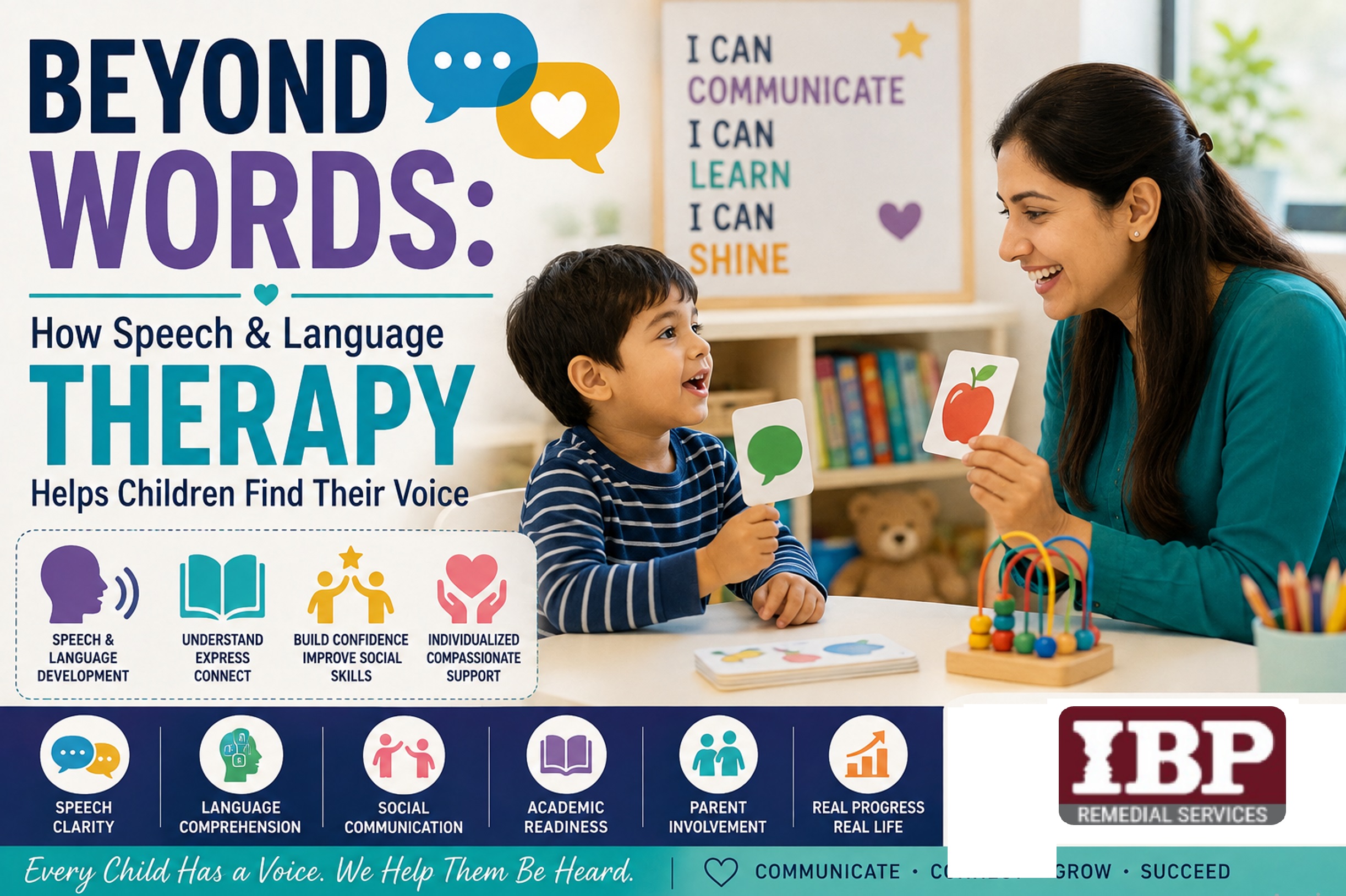
Learning can also be affected by communication difficulties. A child who has trouble understanding verbal instructions, expressing thoughts, developing language or participating in conversations may benefit from Speech & Language Therapy .
Speech and language support can be particularly relevant when language difficulties are affecting classroom participation. IBP's Speech & Language Therapy program addresses areas including receptive and expressive language, language comprehension, articulation and social communication.
When handwriting, coordination, motor skills or sensory processing difficulties interfere with learning, Occupational Therapy or Sensory Integration Therapy may also be considered as part of a broader support plan.
Should Parents Avoid Labels and Comparisons?
Parents should not assume that every child who struggles academically has a learning disability. At the same time, persistent difficulties should not simply be dismissed as laziness or lack of effort.
Comparing a child with siblings, classmates or friends can create additional pressure without addressing the underlying difficulty. A more useful approach is to observe patterns, communicate with teachers, ask questions and seek professional guidance when concerns continue.
Can Children With Learning Disabilities Succeed?
Absolutely. A learning disability does not define a child's intelligence, personality or future. Children learn in different ways, and some may need a different method of instruction, additional practice, targeted remedial education, assessment or therapeutic support.
At IBP Remedial Services, individualized and multidisciplinary support is designed around children's academic, developmental, emotional and learning needs. The aim is not simply to improve grades, but to help children develop useful skills, confidence and a more positive experience of learning.
Frequently Asked Questions
Is a learning difficulty the same as a learning disability?
No. Learning difficulty is a broader term for challenges with learning, while a learning disability generally refers to a specific and persistent difficulty affecting particular academic skills.
Does struggling at school mean my child has a learning disability?
Not necessarily. A child may struggle because of gaps in learning, teaching methods, attention, language, emotional factors or other challenges. A professional assessment can help clarify the child's needs.
Can speech and language difficulties affect learning?
Yes. Difficulties with understanding language, following instructions or expressing thoughts can affect classroom participation and academic learning. Speech and language therapy may be appropriate when communication difficulties are present.
When should parents consider an assessment?
Parents may consider professional assessment when academic difficulties persist despite appropriate teaching and support, particularly when the difficulties are affecting confidence, school participation or progress.
Helping Your Child Learn With Confidence
If your child is consistently struggling with reading, writing, mathematics, communication or other areas of learning, understanding the reason is an important first step. The right assessment and individualized support can help identify strengths, address areas of difficulty and give your child a clearer path forward.
Contact IBP Remedial Services in Karachi to discuss your child's learning and support needs.